

Pearl’s Best Bake Yet — Two Sourdough Loaves in One Bake Day
Sourdough sandwich bread is the whole reason I started this journey — soft, golden, made from a live starter I feed and care for every single week. This is Pearl 2’s weekly dedicated bake, and she did not disappoint. Two loaves, one batch of dough, and a steam trick in the oven that gives you that gorgeous crust without a Dutch oven. This is the bake I have been working toward.
This post contains affiliate links. As an Amazon Associate I earn from qualifying purchases. If you purchase through my links, I may earn a small commission at no extra cost to you. I also participate in the King Arthur Baking affiliate program. Thank you for supporting StephanieCooksForACrowd.com!

The process starts the night before, with a baking feed for Pearl 2. I keep 100 grams of starter, but because I am baking two loaves, I feed her 200 grams of water and 200 grams of flour — a one to two to two ratio — and let her rise overnight on the counter. By morning she is active, bubbly, and ready to work. That 220 grams of starter goes into the dough first, dissolved into 480 grams of warm water along with raw honey and olive oil. Then in goes the kosher salt and all the flour, and we start mixing. This sourdough sandwich bread dough comes together fast and it is one of the most satisfying doughs I have ever worked with.

After the initial mix, I do stretch and folds right in the bowl — and Pearl 2 is so stretchy and strong at this point that it is genuinely fun to work with her. She pulls up long and comes right back together. I do four folds, get her into a nice tight ball, cover the bowl, and leave her on the counter for four to five hours to bulk ferment. Then I divide the dough in two, roll each piece out to roughly a 9 by 12 rectangle, roll them up into loaves, and tuck them into Wilton Gold Premium Non-Stick Loaf Pans lined with Katbite Unbleached Parchment Paper . The loaves proof on the stovetop overnight — no oven, no proofing box, just out on the counter.

Bake day is the best part. I spray the tops of the loaves with water, throw a handful of ice into the bottom of the oven, and spray the oven walls right as the loaves go in. That steam is everything — it keeps the crust from hardening too fast in the first few minutes of baking, which lets the loaves spring up fully before the crust sets. Forty to forty-five minutes at 375 degrees and they come out looking like this. If you want to go deeper on the science of sourdough and how starters work, King Arthur Baking has a wonderful sourdough guide that explains the fermentation process beautifully. We are both working from the same principles — live starter, patience, and good flour.
Sourdough Sandwich Bread FAQ — Everything You Want to Know
What makes sourdough sandwich bread soft instead of crusty?
The ingredients and the pan. This sourdough sandwich bread uses honey and olive oil in the dough, both of which tenderize the crumb and keep the interior soft even after cooling. Baking in a loaf pan also shapes the bread so it holds in moisture differently than a free-form artisan loaf. The steam trick at the start of the bake helps the crust develop gradually rather than hardening too early — the result is a thin, slightly crispy outer crust with a genuinely soft, sliceable interior.
What is stretch and fold and why does it matter?
Stretch and fold is how you build gluten strength in a high-hydration sourdough dough without traditional kneading. You grab one side of the dough, stretch it up as far as it will go without tearing, and fold it over the center. Rotate the bowl a quarter turn and repeat — four folds is one set. For this sourdough sandwich bread, I do one set after the initial mix. The dough becomes noticeably stronger and more elastic each time, which is what gives you that satisfying pull and a good, even crumb structure in the finished loaf.
Why proof sourdough bread overnight?
An overnight proof at room temperature lets the dough ferment slowly, which develops more complex flavor and a better crumb. For this sourdough sandwich bread, after the bulk ferment and shaping, the loaves go into their pans and sit on the stovetop overnight. By morning they have risen beautifully and are ready to go straight into the oven. The slow, cool proof also makes the timing flexible — you mix and shape in the evening, and bake in the morning. No alarm required.
What does steam do when baking sourdough bread?
Steam in the first few minutes of baking keeps the outer surface of the dough moist and pliable, which allows the loaf to expand fully before the crust sets. Without steam, the crust hardens too quickly and the loaf cannot rise to its full potential. For this sourdough sandwich bread, I throw ice into the bottom of the oven and spray the walls with water right as the loaves go in — that creates a burst of steam that lasts just long enough. The result is that deep golden crust and a full, high-domed loaf.
How do you feed a sourdough starter before a bake?
For a baking feed, I keep 100 grams of starter and increase the feed ratio to match how much starter I need for the recipe. For two loaves of this sourdough sandwich bread, I need 220 grams of active starter, so I feed Pearl 2 at a one to two to two ratio — 100 grams starter, 200 grams water, 200 grams flour. She goes out on the counter and peaks overnight, which is when she is at her most active and ready to leaven bread. I weigh everything on my Digital Kitchen Scale — guessing sourdough measurements does not work.
How long does sourdough sandwich bread stay fresh?
At room temperature in a bread bag, this sourdough sandwich bread stays fresh for three to four days. The honey and olive oil help it hold moisture longer than a plain sourdough loaf would. For longer storage, slice the loaf and freeze it — sourdough freezes beautifully and individual slices can go straight from the freezer into the toaster. One honest truth at this house: a loaf rarely makes it past day two. My family of seven finds reasons to cut into it immediately.
Featured Tools & Ingredients

- Premium Loaf Pan: The Wilton Gold Premium Non-Stick Bakeware Large Loaf Pan is a heavy-duty...
- Dependable Results: This bakeware is oven safe to 450°F and resists warping; it also ensures...
• The exact pans I use for Pearl's sandwich bread — heavy gauge, beautiful browning, nothing sticks.


- Digital kitchen scale with food-safe, BPA-free plastic components
- Stainless steel platform with wide LCD screen
• Sourdough is a ratios game — you can't eyeball 220g of starter and expect the same loaf twice.
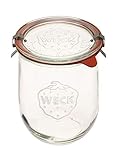
- ✅ Elegant Classic Design – With slightly narrow at neck and wide at opening, Weck tulip jars...
- ✅ Healthy and Easy Living – While world is moving away from plastics, various set of weck jars...
• Pearl lives in this jar — the straight sides let me see exactly how much she's risen before I bake.
The flour that gives this sandwich bread its strong, chewy structure is King Arthur Bread Flour.
And the rest of the kit from this bake:

Find all of Stephanie’s sourdough supplies in The Sourdough Pantry.
More From the Sourdough Journey
If you are following along with Pearl and Free Willy 2, here are a few more posts you might enjoy:
- Pearl’s Prettiest Bake Yet — Sourdough Sandwich Bread That Keeps Getting Better — the bake that proved Pearl had hit her stride.
- Sourdough Starter Maintenance — Feed and Fridge — how I keep a starter alive and happy between bakes with a busy family schedule.
- Sourdough Sandwich Bread Recipe — the full printable recipe card for the exact loaves in this post.
Want a little note from my table every Saturday? Join my weekly newsletter — recipes, family moments, and whatever’s happening at the Longstreth house. Sign up here.
🌱 New to sourdough? Start with my Sourdough for Beginners guide — how to make a starter from scratch and bake your first loaf.
🍞 Continue the Sourdough Journey
⬅️ Pearl Maintenance Day | The Hearth | Pearl’s First Ever Dinner Rolls ➡️
🛒 Starting your own sourdough journey? Find all of Stephanie’s favorite supplies in The Sourdough Pantry!
Sourdough Sandwich Bread — About Stephanie’s Sourdough Journey
This post is part of Stephanie’s Sourdough Journey — an ongoing series following Pearl (Stephanie’s established all-purpose starter, a gift from her friend Sara) and Free Willy 2 (a whole wheat starter converting to support Jason’s Mediterranean diet). Two starters, one kitchen, endless learning. Start from the beginning at Sourdough Day 1.