

Sourdough for Beginners: How to Start a Starter and Bake Your First Loaf
Sourdough for beginners can feel like the most intimidating thing in the kitchen — all those rules about feeding schedules and hydration and bubbles, and a whole internet of people who make it look effortless. I promise you it is not as hard as it looks. I came to sourdough as a complete beginner who killed her first two starters (rest in peace, Willy and Nilly), and I still ended up baking fresh bread for my family of seven every single week. If I can do it, you absolutely can too. This is the no-overwhelm version — what sourdough actually is, what you genuinely need to start, how to grow your first starter, and how to bake your first loaf.
This post contains affiliate links from the Amazon Associates program and the King Arthur Baking affiliate program. As an Amazon Associate I earn from qualifying purchases. If you purchase through my links, I may earn a small commission at no extra cost to you. Thank you for supporting StephanieCooksForACrowd.com!
What Sourdough Actually Is
Before we talk about tools or schedules, here is the whole idea in plain English. Sourdough is bread leavened with a live starter — a simple mix of flour and water that captures wild yeast and good bacteria from the air and your kitchen — instead of packaged yeast. You feed that starter, it grows, and a spoonful of it raises a whole loaf. That is the entire magic. The wild yeast is what makes sourdough rise, the bacteria is what gives it that gentle tang, and the slow fermentation is part of why a lot of people find sourdough easier on their stomachs than regular store-bought bread. Once you have a healthy starter going, the rest is just rhythm.
I am a home cook sharing what worked in my kitchen, not a professional baker. When I want to go deeper on the science, I send people to King Arthur Baking’s sourdough guide — it is the clearest, most trustworthy resource I have found. But you do not need to understand all the chemistry to bake a great loaf. You just need to start.
What You Need to Start: Sourdough for Beginners Essentials
Here is the honest truth: you do not need much, and you definitely do not need to buy a fancy kit. But there is one tool I will tell every single beginner not to skip, and that is a digital kitchen scale. Sourdough is a ratios game, and measuring by weight instead of cups is the difference between a starter that thrives and one that quietly dies on you. I learned that the hard way — my first two starters did not make it because my old scale was not weighing right. Get a good scale first, and you have already avoided my biggest beginner mistake.
Featured Tools & Ingredients

- Digital kitchen scale with food-safe, BPA-free plastic components
- Stainless steel platform with wide LCD screen
• The one tool I tell every beginner to buy first. Sourdough is all about ratios, and this is the difference between a starter that thrives and one that dies on you. RIP Willy and Nilly.

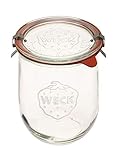
- ✅ Elegant Classic Design – With slightly narrow at neck and wide at opening, Weck tulip jars...
- ✅ Healthy and Easy Living – While world is moving away from plastics, various set of weck jars...
• The tulip jars my starters live in. The straight sides let you see exactly how much your starter has risen, which is genuinely helpful when you are learning what 'active' looks like.
Beyond the scale and a jar, you really just need flour, water, and something to bake in. For flour, I use King Arthur Bread Flour — the higher protein gives you a better rise and that chewy crumb — but you can start a starter with all-purpose just fine. When you are ready to build out your kit with a Dutch oven, banneton, and bread bags, I keep everything I actually use in one place: The Sourdough Pantry.
How to Make a Sourdough Starter From Scratch
You can make a starter from absolutely nothing — just flour and water and a little patience. Day one, you mix equal weights of flour and water in your jar, stir, and walk away. From there you feed it once a day: discard most of what is in the jar, then add fresh flour and water in equal weights, stir, and wait. That is it. Over the next week or two, that simple paste comes alive — first with a few shy bubbles, then with a real rise and a smell that goes from plain wheat to pleasantly sour. I walk through the very first day step by step, with photos, in Starting a Sourdough Starter From Scratch if you want to follow along exactly.
If waiting two weeks feels like a lot, there is a shortcut I love: get a healthy, established starter from a friend. That is actually how I got mine. After I lost Willy and Nilly, my friend Sara surprised me with a jar of her feisty, active starter, and I named her Pearl. A gifted starter skips the slow growing-up phase and lets you bake almost right away. Either path works — growing your own from scratch is deeply satisfying, and a gifted starter gets you to bread faster.
What to Expect Day by Day
This is the part nobody tells beginners, so here is the reassurance you need: your starter is going to do some weird things, and most of them are completely normal. Around days two and three it might smell sharp, almost like nail polish — that is okay, it just needs feeding. You might see a layer of gray liquid on top; that is called hooch, and it simply means your starter is hungry. You can pour it off or stir it back in, then feed as usual. I wrote a whole post about the day my starter made hooch so you do not panic the way I almost did. Your starter is ready to bake with when it reliably doubles in size within a few hours of feeding and is full of bubbles. That usually lands somewhere around day seven to fourteen, depending on your kitchen.
Bake Your First Loaf
Once your starter is active and bubbly, you are ready for the best part. For your very first bake, I always point beginners to a soft sandwich loaf rather than a fancy artisan boule — the timeline is forgiving, the dough is friendly, and it is the bread my whole crowd actually eats. My Sourdough Sandwich Bread recipe has the full printable card with weights, timing, and a steam trick that gives you a beautiful crust without any special equipment. Here is what a whole week’s worth looks like from start to finish:
Watch me bake a week’s worth of sourdough sandwich bread from start to finish.
Keeping Your Starter Alive
The thing that scares beginners most — keeping a starter alive forever — is honestly the easiest part once you know the trick: the fridge. A starter left on the counter wants feeding once or twice a day, but a starter in the fridge slows way down and only needs feeding about once a week. That is how I keep Pearl going through busy weeks with five kids in the house. You pull her out, feed her the day before you want to bake, and back in the fridge she goes. I walk through my exact low-effort routine in Sourdough Starter Maintenance — Feed and Fridge. Treat your starter like a low-maintenance pet and it will outlive every kitchen gadget you own.
Sourdough for Beginners FAQ
Is sourdough hard for a beginner to make?
It looks harder than it is. The truly hard part is getting a healthy starter going — after that, baking is mostly waiting. Start with a forgiving recipe like a sandwich loaf, weigh your ingredients, and give yourself permission to mess up the first time. Most beginners are surprised how forgiving the dough actually is.
How long does it take to make a sourdough starter from scratch?
Usually somewhere between seven and fourteen days, depending on how warm your kitchen is. You will see bubbles within the first few days, but you want to wait until your starter reliably doubles within a few hours of feeding before you bake with it. If you would rather skip the wait, a healthy starter gifted from a friend lets you bake almost right away.
What is the one tool a beginner should buy first?
A digital kitchen scale, no contest. Sourdough is all about ratios, and measuring by weight instead of by cups is the single biggest thing that keeps a starter healthy. I lost my first two starters to a scale that was not weighing correctly — do not make my mistake. Everything else you can add as you go.
Why is there liquid on top of my starter?
That is hooch, and it is harmless — it just means your starter is hungry. You can pour it off or stir it back in, then feed your starter and it will perk right back up. It is one of the most common things new bakers panic about, and it almost never means anything is wrong.
Can I keep a sourdough starter alive with a busy schedule?
Yes — I do it with a family of seven. The secret is keeping your starter in the fridge, where it only needs a feed about once a week instead of every day. You bake on your schedule, not the starter’s. It fits around real life instead of running it.
More Sourdough You’ll Love
- The Hearth — Our Sourdough Home — every sourdough recipe, starter-care post, and the whole story of Pearl and Free Willy 2, all in one place.
- Sourdough Sandwich Bread — the soft, forgiving first loaf I hand every beginner, with a full printable recipe card.
- Starting a Sourdough Starter From Scratch — the day-by-day walkthrough with photos if you want to grow your own from nothing.
Want a little note from my table every Saturday? Join my weekly newsletter — recipes, family moments, and whatever’s happening at the Longstreth house. Sign up here.
Sourdough for Beginners — About Stephanie Longstreth
Stephanie Longstreth is the home cook, mom, and storyteller behind StephanieCooksForACrowd.com. She came to sourdough as a nervous beginner — two failed starters and all — and now bakes fresh bread every week for her family of seven in Florida: five kids, two cats, and one husband who eats a Mediterranean diet. Four of her children came home through adoption, and family stories are woven into everything she makes and shares. Find her crowd-friendly recipes, weekly meal plans, and real family life on TikTok, Instagram, YouTube, and Pinterest @stephaniecooksforacrowd.